
Why ASLA? What’s the Difference?
ASLA represents a new era of 21st Century Deaf Education. Unlike historical models, the ASLA recognizes that advances in communication and medical technology have changed the landscape of communication access. Additionally, the need to be connected to one another has never been greater. Through our innovative programming, we are connecting the deaf and hearing worlds and expanding the world of opportunities for all by leveraging the power of a common language - American Sign Language (ASL). All students, regardless of diagnosis or ability, are united through ASL
Through dual language practices, ASL is embraced as a powerful tool for ALL students to reach their academic and social potential.
What ASLA Offers:
- Kindergarten through age 22 academic and career programming
- Tuition-free public charter school
- Respectful of the family unit
- Dual-language ASL-English program that serves deaf and hearing students
- Low staff-student ratio
- Speech, occupational, and physical therapy provided per IEP needs
- Emphasis on social-emotional well-being for all students
- High academic expectations for all students
- Free after-school program
- Free ASL classes for families
- Free transportation to and from school for all students
- Inclusive athletics and clubs
- Heavy investment in community connections for students and families
- School events that embrace family engagement
- Use of the latest technology in every classroom
- Teachers and administrators knowledgeable in deaf and dual-language education
- Expansion of the critical mass of signers by including hearing children—including CODAs and siblings
- School-wide access to language
- Free and reduced lunch program when applicable
A Model Designed For The Future
Knowing how critical career preparation is in the deaf community, the ASLA structures and aligns its elementary, middle, high school, and transition programming to achieve real world results.
Beginning in elementary school, we develop strong foundations by prioritizing academics and social-emotional learning. In middle school, we offer students opportunities to explore career paths with our rich community partnerships. That work deepens in ASLA’s high school, which exclusively serves deaf, hard-of-hearing, and special-education students. Finally, to address the disproportionately high underemployment rates in the deaf community, the ASLA transition program is dedicated to providing robust training that prepares students for a career of their choice. Its goal is to bridge the gap between education and employment, training our adult students in the skills they need to live a purposeful life and reach their potential.
The ASLA is broadening opportunities so every student has pride in their contributions to their community.
The ASLA Emphasizes:
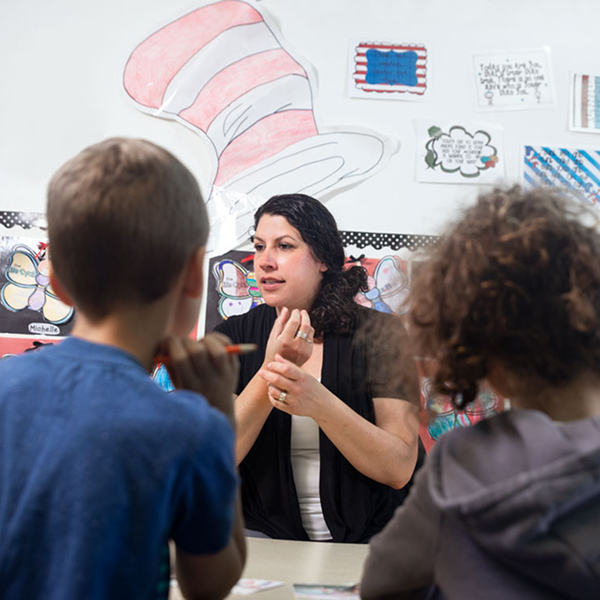
Inclusivity
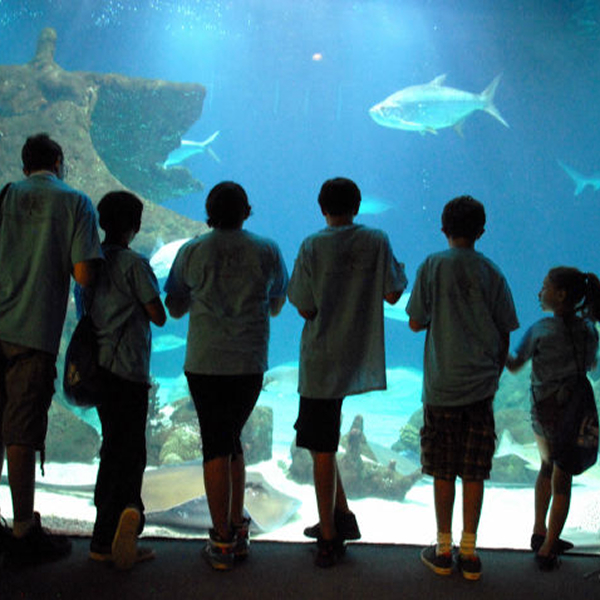
Innovation
At ASLA, we are reimagining what deaf education can be. We are the first and only state-certified dual-language ASL-English program in the nation, and we are ambitious in our pursuit of reform and innovation. Here’s how:
- Teacher training residency program in partnership with the University of New Mexico
- Administer and control a deaf-normed reading assessment created in partnership with University of Minnesota and Penn State University
- Unique partnership with Harvard’s P.E.A.R Institute in developing a system of school-embedded social-emotional programming for all students.
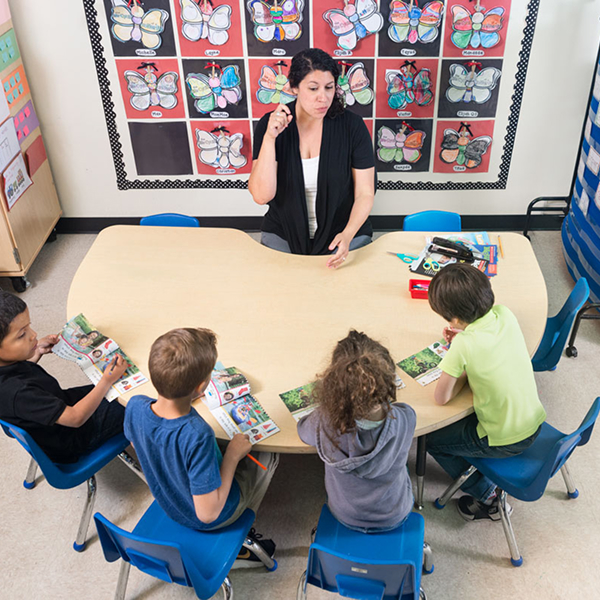
Individualized Learning
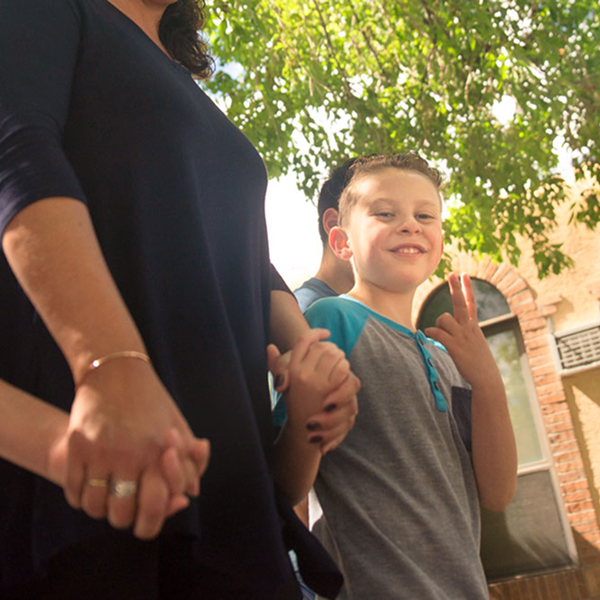
Connection
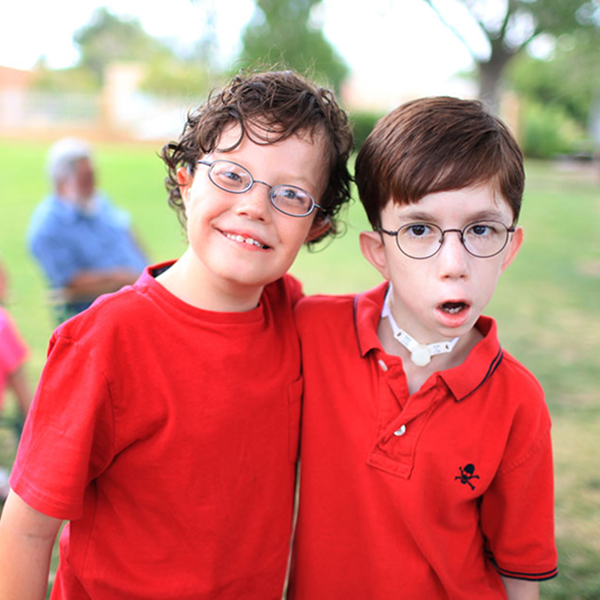
Support

Achievement
We hold high academic standards based on each child’s individual potential. Through an assets based approach, we strive to provide each child with meaningful opportunities to contribute to their community, within the school and beyond.
We are proud to see ALL our graduates excel in the next steps of their educational and career journey. Built solidly upon the foundation set at ASLA, every student moves forward with a proud sense of their identity, confidence in their skills, and the ability to positively affect the world.
